Overview of Quadrotor Drones in Conflict and Security Environments
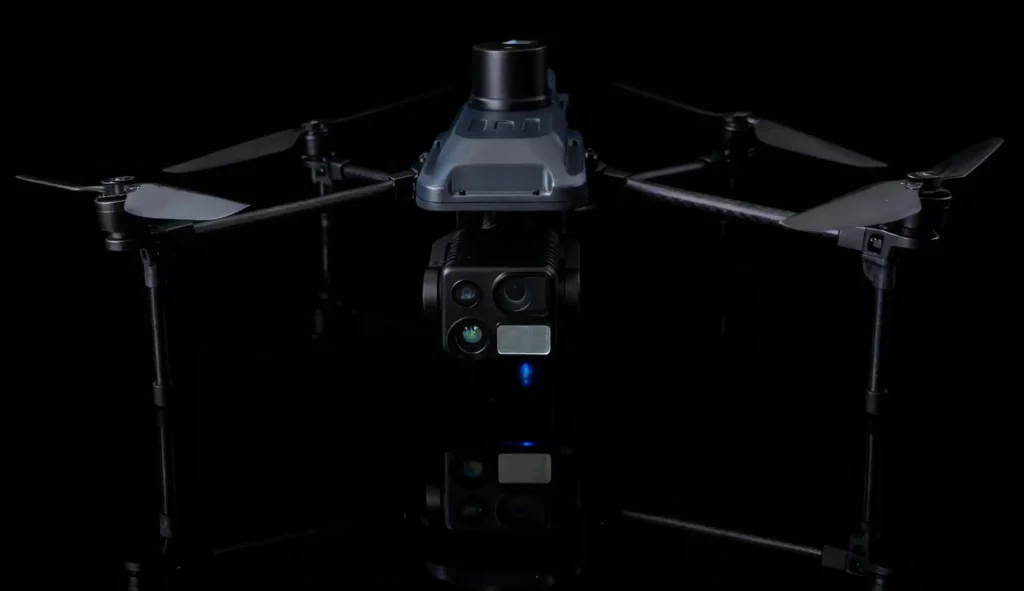
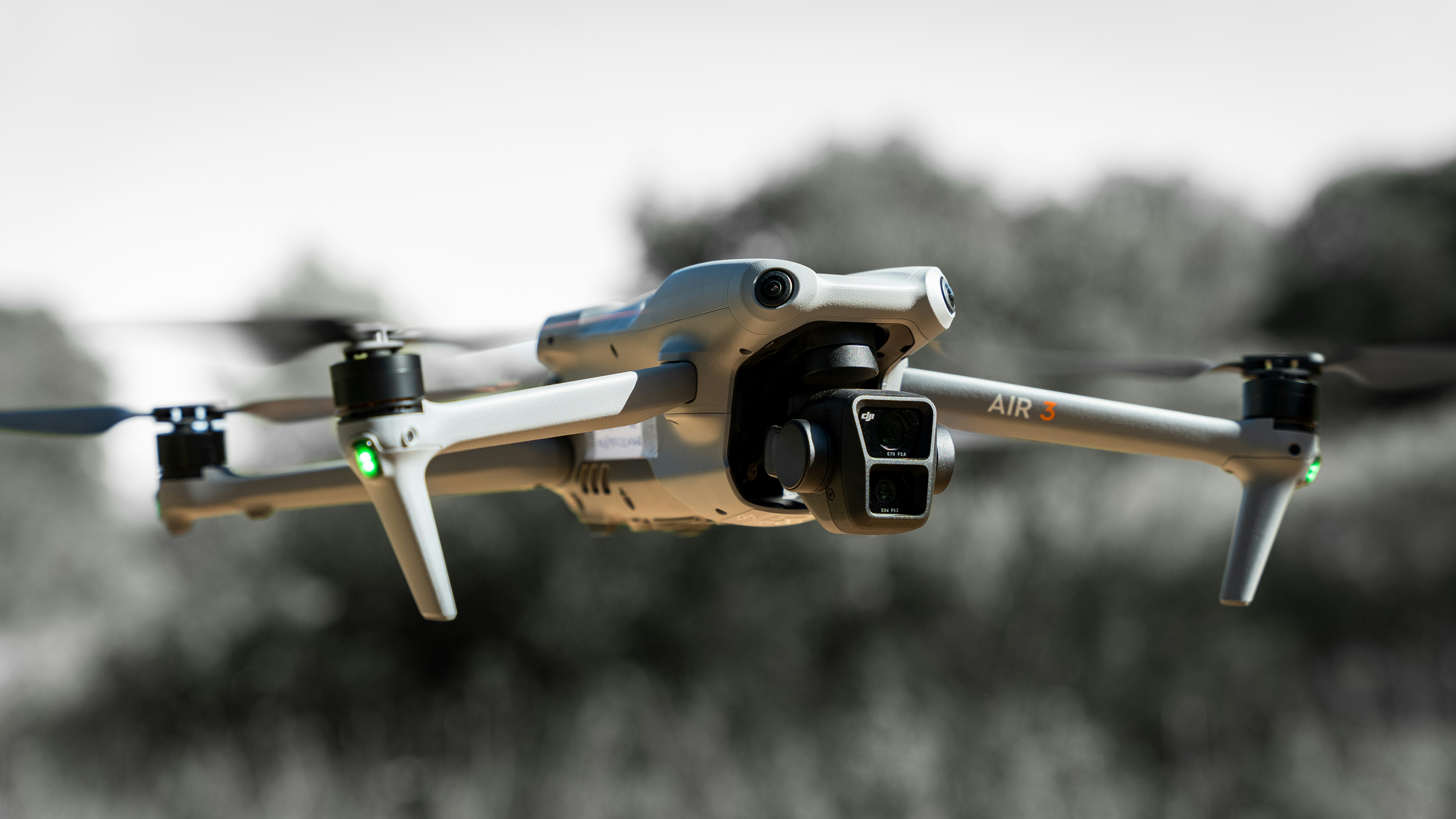
Quadrotor drones, commonly known as quadrotor unmanned aerial vehicles (UAVs), have emerged as pivotal instruments within conflict and security environments across Southeast Asia, particularly in Thailand and Laos. Their distinctive design, characterized by four rotors, allows for enhanced stability and maneuverability, making them particularly effective for various applications in low-intensity conflict settings. The versatility of quadrotor drones enables them to conduct a range of operations, from surveillance and reconnaissance to delivering critical supplies in challenging terrains.
In recent years, the proliferation of drone surveillance in Asia has transformed military and security strategies. In the context of border security, quadrotor drones provide a unique aerial perspective that assists authorities in monitoring vast and often inaccessible regions. This is especially vital for nations like Thailand and Laos, where they can enhance situational awareness and bolster counter-insurgency efforts. Furthermore, the deployment of these drones plays a crucial role in addressing threats posed by non-state actors, making them an indispensable tool for law enforcement and military agencies.
As both nations grapple with regional security challenges, the integration of quadrotor UAVs into their operational frameworks continues to increase. The strategic advantages offered by drone capabilities allow for real-time intelligence gathering, which is essential in low-intensity conflict scenarios where timely decisions can significantly influence outcomes. Moreover, the cost-effectiveness of deploying quadrotor drones contributes to their growing popularity, providing a practical solution for governments seeking to enhance border security and improve public safety.
Overall, the rise of quadrotor drones in Thailand and Laos reflects a broader trend within Southeast Asia, wherein these technologies are increasingly seen as vital assets in tackling contemporary security challenges and ensuring stability in a complex geopolitical landscape.
Regional Terrain Characteristics and Their Impact on Drone Operations
The geographical landscapes of Thailand and Laos present a variety of challenges and opportunities for the deployment of quadrotor drones. Both nations feature diverse terrains, including mountainous regions, dense tropical forests, and urban expanse, each influencing the operational effectiveness of quadrotor UAVs. For instance, the mountainous areas in northern Thailand hinder traditional surveillance methods due to the rugged topography. However, quadrotor drones excel in variable elevation, utilizing their vertical flight capabilities to navigate challenging altitudes while providing critical reconnaissance data.
In contrast, the dense forests that characterize much of Laos complicate drone operations due to limited visibility and unpredictable weather conditions. Nevertheless, the agile nature of quadrotor drones allows them to maneuver through tight spaces, making them ideal for monitoring wildlife or conducting environmental assessments in these hard-to-reach areas. The advanced imaging and surveillance technologies integrated into these drones enhance their functionality, enabling extensive data collection even amidst challenging foliage.
Moreover, in urban environments—where infrastructure can significantly impact drone performance—quadrotor drones demonstrate versatility by adapting to a range of structures. They can conduct search and rescue operations, assess infrastructure integrity, or facilitate delivery services, showcasing their utility in city landscapes. The ability to rapidly change flight paths and hover in specific areas is particularly valuable in drone surveillance applications across Southeast Asia.
Ultimately, the adaptability of quadrotor drones to various terrains in Thailand and Laos underlines their significance in enhancing operational strategies. The integration of these technologies not only improves surveillance missions but also supports broader goals such as border security and response to low-intensity conflicts by enabling timely data collection and analysis.
Common Application Scenarios for Quadrotor UAVs
Quadrotor drones, widely recognized for their versatility and agility, are increasingly being deployed in various practical applications across Southeast Asia, particularly in Thailand and Laos. In recent years, these quadrotor UAVs have revolutionized the way authorities and organizations tackle a wide array of challenges, significantly enhancing operational efficiency.
One prominent application is in the field of surveillance and reconnaissance. In Thailand, quadrotor drones have been effectively utilized by law enforcement agencies to conduct aerial surveillance over crowded urban areas and monitor public events. This capability allows for real-time situational awareness, enabling rapid responses to occurrences such as protests or potential unrest. Similarly, in Laos, national security forces have employed quadrotor drones to surveil remote border areas, helping prevent illegal crossings and monitor smuggling activities.
Furthermore, quadrotor UAVs have proven essential for search and rescue operations, especially in challenging terrains such as mountainous regions and dense forests found in both Thailand and Laos. For instance, after natural disasters like floods or landslides, drones can quickly assess damage and locate missing persons, significantly reducing response times compared to traditional methods.
Disaster management is another critical application. Quadrotor drones are employed to gather aerial imagery during emergencies, assisting agencies in planning and executing response strategies. The real-time data gathered facilitates effective allocation of resources and enhances situational awareness, which is vital in managing any disaster efficiently.
Moreover, in contexts of low-intensity conflict, border security drones have become invaluable. These UAVs assist in monitoring conflict zones and gathering intelligence, providing insights that inform military strategies and operational planning. The practical uses of quadrotor drones in these various scenarios not only streamline operations but also provide distinct advantages in managing security challenges in Thailand and Laos.
Future Development Trends of Quadrotor Drones in Southeast Asia
As quadrotor drones, or quadrotor UAVs, continue to evolve rapidly, their future development in Southeast Asia appears promising, particularly within Thailand and Laos. Innovations in drone technology are expected to enhance capabilities such as flight endurance, payload capacity, and operational efficiency. This evolution will significantly impact how these nations utilize quadrotor drones across various applications, including surveillance, agriculture, and emergency response.
In Thailand, the integration of advanced sensors and artificial intelligence into quadrotor drones is anticipated to facilitate more precise drone surveillance and analytics, particularly for border security tasks. The combination of these technologies is likely to aid in the monitoring of difficult terrains and assist in low-intensity conflict situations, where traditional forms of intelligence gathering may prove insufficient. Similarly, Laos is likely to harness these advancements for environmental monitoring and agricultural optimization, ensuring that drone applications promote both national security and economic growth.
However, the growth of quadrotor UAV applications in these countries does not come without challenges. Regulatory frameworks surrounding the operation of drones are still in developmental stages, and harmonizing these regulations across borders will be crucial for effective deployment. Policymakers in both Thailand and Laos are expected to collaborate with industry stakeholders to establish a robust regulatory environment that prioritizes safety and efficiency while promoting innovation.
Furthermore, the evolving nature of warfare, particularly in low-intensity conflict environments, demands that quadrotor drones adapt swiftly. Militaries in the region may seek to leverage civilian advancements in UAV technology to enhance their tactical capabilities. Collaborative efforts between government entities and private sector innovation can drive this adaptive process, yielding more versatile and effective UAVs for border security and other military applications.
The future landscape of quadrotor drones in Southeast Asia will likely reflect a blend of technological advancement, regulatory evolution, and collaborative innovation, setting the stage for enhanced operational capabilities and strategic applications.